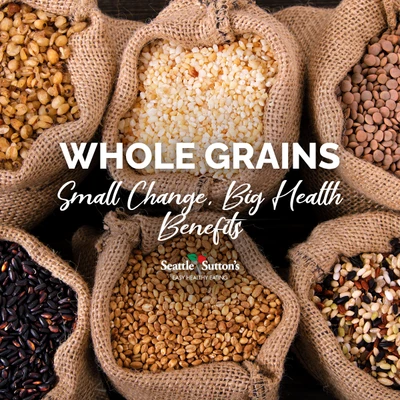
Nutrition recommendations change over time, but some foods have consistently stood the test of time. Whole grains are one of them.
As a registered dietitian, I've followed nutrition research for decades. While new studies continue to emerge, one finding has remained remarkably consistent: people who eat more whole grains tend to have healthier hearts and lower risks of many chronic diseases.
Today, research continues to support what we've known for years: making whole grains a regular part of your meals is one of the simplest ways to invest in your long-term health.
Why Whole Grains Are Different
Not all grains are created equal. A whole grain contains all three parts of the grain kernel:
- Bran – rich in fiber, antioxidants, and B vitamins
- Germ – packed with healthy fats, vitamin E, and minerals
- Endosperm – provides carbohydrates for energy
When grains are refined, the bran and germ are removed, taking away much of the fiber and many important nutrients.
That's why choosing whole grains over refined grains provides so many health advantages.
Heart Health Begins with Whole Grains
One of the strongest areas of research surrounding whole grains is cardiovascular health.
Years ago, researchers analyzed data from more than 300,000 adults across multiple studies and found a consistent pattern: people who consumed more whole grains had a lower risk of developing coronary heart disease.
What makes these findings especially meaningful is that they have continued to be supported by newer research. Today, diets rich in whole grains are associated with:
- Lower LDL ("bad") cholesterol
- Reduced risk of heart attack and stroke
- Improved blood pressure
- Better blood vessel function
Whole grains naturally provide fiber, antioxidants, magnesium, and other plant compounds that help support a healthy cardiovascular system.
Whole Grains Benefit More Than Your Heart
Heart health is only part of the story. Research has found that regularly eating whole grains may also support:
Better Blood Sugar Control
The fiber in whole grains slows digestion, helping prevent large spikes in blood sugar after meals. This makes whole grains an excellent choice for people with diabetes, prediabetes, or anyone looking to maintain steady energy and blood glucose levels.
A Healthier Gut
Whole grains contain both soluble and insoluble fiber that support digestion and feed beneficial gut bacteria. A healthy gut microbiome has been linked to improved digestion, immune health, and reduced inflammation.
Healthy Weight Management
Foods rich in fiber tend to help you feel fuller longer, making it easier to stay satisfied between meals and support healthy portion sizes.
Long-Term Health and Longevity
Large population studies have consistently shown that people who eat more whole grains tend to have lower risks of heart disease, type 2 diabetes, certain cancers, and premature death. While no single food guarantees good health, whole grains are one simple choice that can make a meaningful difference over time.
The Best Whole Grains to Eat
Some of the healthiest whole grains include:
Oats – rich in cholesterol-lowering beta-glucan fiber
Barley – excellent source of soluble fiber
Brown Rice – higher in fiber and nutrients than white rice
Quinoa – naturally gluten-free and high in protein
100% Whole Wheat – an easy way to add fiber throughout the day
Popcorn – yes, plain air-popped popcorn is a whole grain!
How to Know if a Food Is Really Whole Grain
Food labels can be misleading. Terms like:
- Multigrain
- Wheat Bread
- Stone Ground
- Made with Whole Grain
do not necessarily mean a food is mostly whole grain. Instead, read the ingredient list. Look for ingredients like:
- Whole wheat
- Whole oats
- Brown rice
- Whole rye
- Whole grain barley
Ideally, these should appear first on the ingredient list.
Simple Ways to Eat More Whole Grains
Adding more whole grains doesn't have to be difficult.
Try these easy swaps:
- Choose oatmeal instead of sugary breakfast cereals.
- Replace white rice with brown rice or quinoa.
- Use 100% whole wheat bread for sandwiches.
- Swap regular pasta for whole wheat pasta.
- Add barley or farro to soups and salads.
- Snack on air-popped popcorn instead of chips.
These small changes repeated consistently often have the biggest impact.
Healthy Eating Doesn't Have to Be Complicated
Nutrition trends come and go, but some recommendations remain timeless. Choosing whole grains more often is one simple habit that can support your heart, improve your overall health, and help you build a healthier future.

Start Your Healthy Journey Today!
Order Now


 Weight Loss
 Health & Wellness
 Diabetes
 Heart Health
 Motherhood & Family
 Dietary Restriction
 Other Health Conditions
 About SSHE
Learn More And Boost Your Well Being