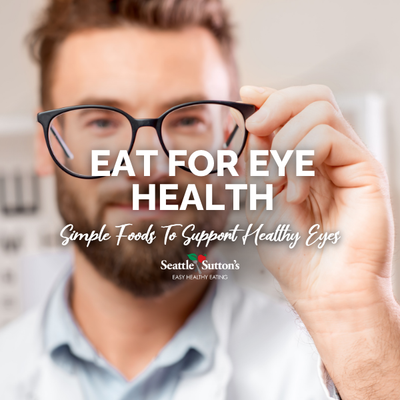
When you think about eating healthy, you probably think about your heart, blood sugar, or maintaining a healthy weight. But did you know that the foods on your plate can also play an important role in protecting your eyesight?
As we age, our risk of developing eye conditions such as age-related macular degeneration (AMD), cataracts, and dry eye increases. While you can't control every risk factor, healthy lifestyle choices including eating a balanced diet, staying physically active, not smoking, and getting regular eye exams can all help support healthy vision for years to come.
You don't need a special "eye health diet" or expensive supplements. Many of the nutrients your eyes need are found in the same wholesome foods that support your heart, brain, and overall health.
Nourish Your Eyes with a Variety of Nutrients
When it comes to eye health, there isn't one magic food that can prevent vision problems. Instead, your eyes rely on a team of vitamins, minerals, healthy fats, and antioxidants that work together to protect delicate eye tissues from damage caused by aging, sunlight, and everyday wear and tear.
By eating a colorful variety of fruits and vegetables, whole grains, lean proteins, healthy fats, and dairy foods, you'll naturally provide your eyes with many of the nutrients they need to stay healthy.

Lutein & Zeaxanthin: Nature's Eye Protectors
Lutein and zeaxanthin are two antioxidants that are found in high concentrations in the retina, the part of the eye responsible for sharp, detailed vision. They help filter harmful blue light and protect your eyes from oxidative stress, which may help lower the risk of age-related eye diseases over time.
Because your body cannot produce these nutrients, it's important to get them regularly through the foods you eat.
Foods rich in lutein and zeaxanthin include:
Spinach
Kale
Collard greens
Broccoli
Romaine lettuce
Corn
Green peas
Egg yolks
Omega-3 Fatty Acids: Support for the Retina
Omega-3 fatty acids are best known for supporting heart health, but they're also important for healthy eyes. They help maintain the structure of the retina and may improve dry eye symptoms by supporting healthy tear production and reducing inflammation.
Try to include fatty fish in your meals a couple of times each week, or add plant-based sources of omega-3s throughout the week.
Good sources include:
Salmon
Trout
Sardines
Walnuts
Chia seeds
Ground flaxseed
Vitamins C & E: Powerful Antioxidants
Every day, your eyes are exposed to sunlight, pollution, and other factors that create oxidative stress. Vitamins C and E are antioxidants that help protect eye cells from this damage while supporting healthy tissues throughout the body.
The best part? They're easy to get by eating a variety of colorful fruits, vegetables, nuts, and seeds.
Vitamin C-rich foods:
Oranges
Grapefruit
Strawberries
Bell peppers
Broccoli
Kiwi
Vitamin E-rich foods:
Sunflower seeds
Peanuts
Avocados
Vitamin A (Beta-Carotene): Essential for Healthy Vision
You've probably heard that carrots are good for your eyes and there's truth to that! Carrots are rich in beta-carotene, which your body converts into vitamin A. This vitamin is essential for healthy vision, especially in dim light, and helps keep the surface of your eyes healthy.
Fortunately, carrots aren't your only option, you can find them in many naturally orange foods and leafy greens.
Foods high in beta-carotene include:
Carrots
Sweet potatoes
Butternut squash
Dark leafy greens
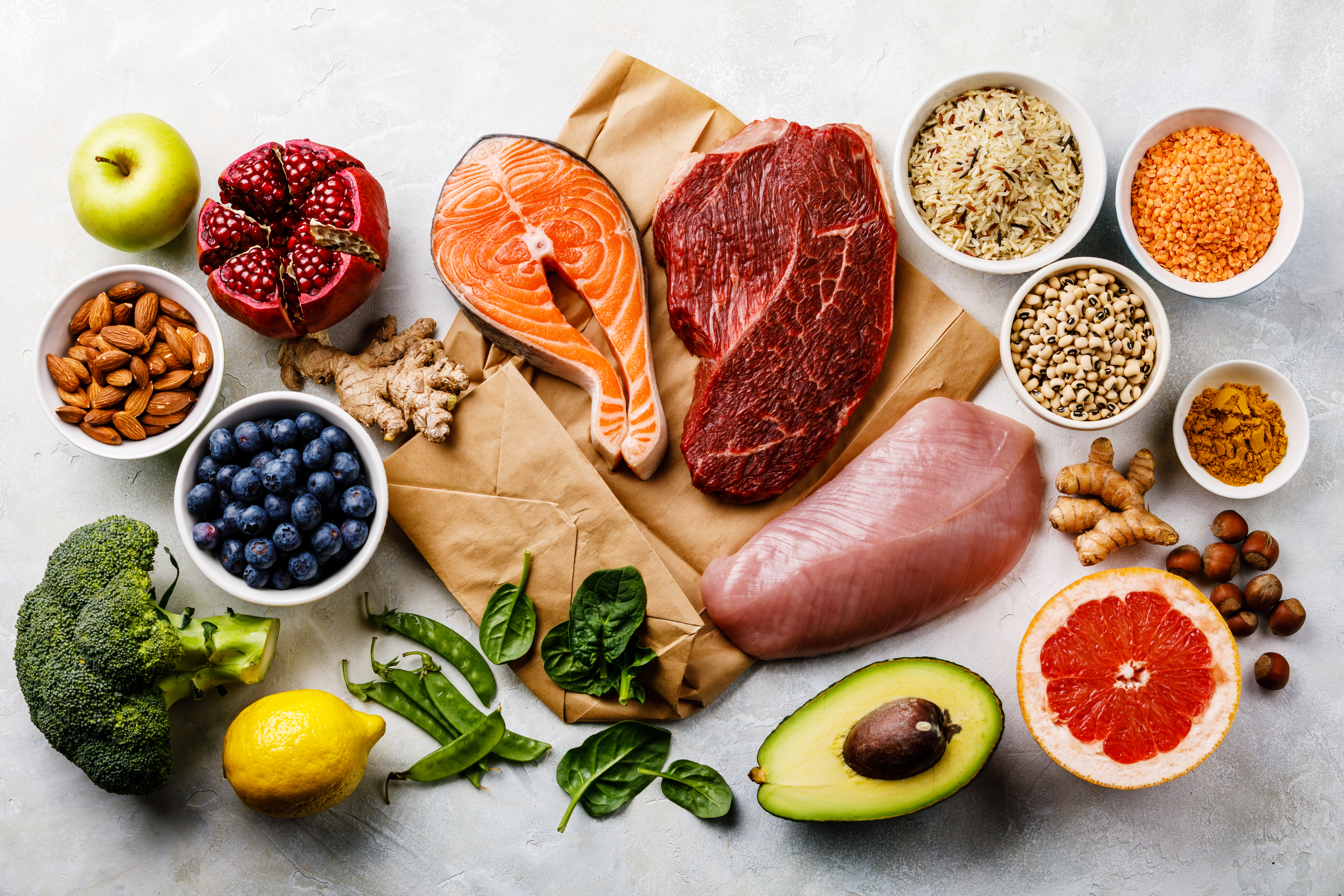
Colorful Fruits & Vegetables: More Than Just Vitamins
The bright colors in many fruits and vegetables come from natural plant compounds like anthocyanins and bioflavonoids. These compounds have antioxidant and anti-inflammatory properties that may help protect the tiny blood vessels and delicate tissues in your eyes.
Choosing a variety of colorful produce is one of the easiest ways to boost your intake. Eat the rainbow!
Great choices include:
Blueberries
Blackberries
Citrus fruits
Tea
Zinc: A Small Mineral with a Big Job
Zinc helps transport vitamin A from the liver to the retina, where it's needed for healthy vision. It also supports normal retinal function and your immune system.
Luckily, zinc is found in a variety of foods, making it easy to include in a balanced eating pattern.
Foods rich in zinc include:
Lean beef
Seafood
Pumpkin seeds
Fortified whole grains
Healthy Habits Matter, Too
Nutrition is just one piece of the puzzle when it comes to protecting your eyesight. Healthy lifestyle habits can make a big difference over time.
Here are a few simple ways to support your eye health:
- Don't smoke. Smoking significantly increases the risk of cataracts and age-related macular degeneration.
- Wear sunglasses that block 100% of UVA and UVB rays when you're outdoors.
- Give your eyes a break from screens by following the 20-20-20 rule: Every 20 minutes, look at something 20 feet away for 20 seconds.
- Schedule regular comprehensive eye exams, especially if you have diabetes, high blood pressure, or a family history of eye disease.
- Stay active and manage chronic conditions like diabetes and hypertension, which can affect your vision over time.
Healthy Eating Is the Best Recipe for Healthy Eyes
Instead of chasing one "superfood," focus on eating a balanced diet filled with a variety of nutrient-rich foods. Research continues to show that healthy eating patterns, like the Mediterranean-style diet, are associated with a lower risk of age-related eye diseases because they naturally provide the nutrients your eyes need.
Your eyesight is something you'll rely on every day for the rest of your life. By making balanced, nutritious meals part of your routine today, you're investing in your vision for years to come.

Start Your Healthy Journey Today!
Order Now


 Weight Loss
 Health & Wellness
 Diabetes
 Heart Health
 Motherhood & Family
 Dietary Restriction
 Other Health Conditions
 About SSHE
Learn More And Boost Your Well Being